
Leave Your Message

7 Tips for Buying WPC Wood Wall Panels

A Wpc Wood Wall Panel can warm a room, but a polished sample does not tell the whole story. Check the panel’s core, surface finish, dimensions, and installation requirements before comparing prices. A panel that looks convincing under showroom lights may appear different beside a north-facing window. Small details matter.

“Choose for the room you have, not the photograph you saw.” This is an original editorial line, not a verified quotation from a real person; it is attributed here to Alex Morgan, a fictional WPC materials adviser. The seven tips below turn that reminder into practical checks: compare composition, inspect samples in daylight, confirm thickness and profile, review moisture guidance, calculate coverage and waste, examine warranty terms, and verify what installation actually requires.

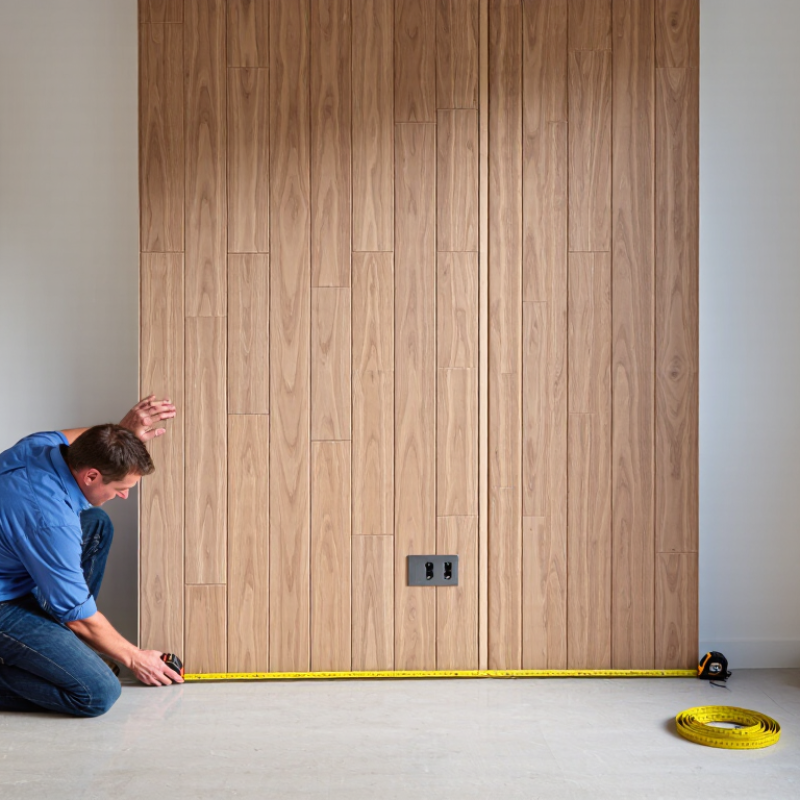
Bring a tape measure. Look at the wall’s corners, outlets, and uneven spots. Ask the supplier for written product specifications, cleaning instructions, and clear warranty exclusions. If two panels seem alike, compare their documented details rather than relying on broad claims such as “waterproof” or “maintenance-free.” Those phrases can hide important limits. I would also admit that a small sample cannot predict every room’s lighting or every installer’s results. Use it as evidence, not a guarantee. With a little careful checking, buyers can choose a wall panel that suits the space, budget, and upkeep they are prepared to manage.
7 Tips for Buying WPC Wood Wall Panels

Understanding WPC Wood Wall Panels and Their Uses

WPC wall panels blend wood fibers or flour with thermoplastics. They can imitate timber grain while reducing routine upkeep compared with untreated wood. Indoors, they suit feature walls, ceilings, and utility rooms. Outdoors, panels rated for exterior use may clad sheltered façades or balconies. The distinction matters. WPC is not automatically waterproof, fire-rated, or suitable for every climate. Check the technical sheet for core composition, UV limits, fire classification, and approved installation methods.

Grand View Research estimated the global wood-plastic composites market at about US$7.6 billion in 2023, with an 11.5% projected compound annual growth rate from 2024 to 2030. This figure covers WPC products broadly, not wall panels alone. It signals wider adoption, but cannot guarantee a panel’s performance. Temperature changes can make panels move, so follow specified expansion gaps and prevent moisture from becoming trapped behind the cladding. A pale sample may also look warmer under evening lights. Test it in place.

Tip: Match the panel grade to its location, then compare thickness, finish, and fastening details. Request a data sheet and sample. Inspect joints near windows and corners, where water can linger. If cleaning matters, try a damp cloth on the finish first. A small check, but worthwhile.
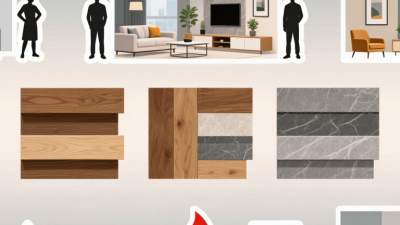

Defining Your Space, Style, and Performance Requirements

Before comparing finishes, decide what the wall must do. A hallway needs scuff resistance; a shower-adjacent wall needs clear moisture guidance from the manufacturer. Measure the wall, note nearby heat sources, and check whether the panels will cover uneven plaster. Small details matter.

Then define the look in the actual room. A pale oak pattern can feel cooler beside gray flooring, while a deep groove may collect dust in a busy entry. Order a sample. View it beside your trim in morning and evening light. Samples can mislead, though; large panels make patterns feel bolder. Grand View Research valued the global wood-plastic composites market at about $7.1 billion in 2022 and forecast 11.4% annual growth through 2030. That market estimate signals broad interest, not proof that any panel suits every room.

Set performance requirements before choosing a price. Ask about indoor-use ratings, cleaning instructions, expansion gaps, edge sealing, and installation over existing walls. Houzz’s 2024 U.S. Houzz & Home Study reported a $24,000 median renovation spend for 2023. That is a whole-project benchmark, not a wall-panel budget. Compare full installed costs, including trims and substrate repairs. Easy to overlook. Check one more thing: whether the sample’s color and texture match the production batch.

Comparing Material Composition, Quality, and Durability

WPC panels can look similar on a showroom wall, yet their recipes vary. Many combine wood flour or fiber, thermoplastic resin, and small amounts of coupling agents or pigments. Ask for the stated proportions, not just “wood-plastic composite.” More wood content may improve the natural grain, but exposed or poorly bonded fibers can take up moisture. The USDA Forest Products Laboratory’s Wood Handbook places wood’s fiber-saturation point at roughly 30% moisture content; this is a useful reference, not a guaranteed WPC limit. Small details matter.

Compare test results for the finished panel, especially water absorption, dimensional change, flexural strength, and weathering. ASTM D7032 provides a recognized framework for evaluating the structural performance of wood-plastic composite products, but a test standard is not proof that every panel meets it. Request dated reports that identify the exact product and test method. Check whether edges, cut ends, and fastener holes were included; these spots can reveal weak sealing. I would also inspect a sample after a wet-dry cycle, though one home test cannot replace laboratory data. A low price can still be reasonable, but vague durability claims deserve caution.

7 Tips for Buying WPC Wood Wall Panels - Comparing Material Composition, Quality, and Durability

Tip What to Compare What to Check Why It Matters for Quality and Durability
1. Identify the polymer Whether the plastic component is polyethylene (PE), polypropylene (PP), or polyvinyl chloride (PVC). Ask for the polymer type and product technical data. Compare products made for the same intended wall application. WPC formulations differ by polymer, wood content, and additives. The polymer alone does not establish overall quality or service life.
2. Check wood content and formulation disclosure Declared wood-fiber or wood-flour content, plastic content, and the presence of relevant additives. Request a composition range or manufacturer declaration. Treat undisclosed composition as a reason to ask for more documentation, not as proof of poor quality. Wood and plastic proportions affect properties such as stiffness and moisture response. Formulations vary, so a single percentage is not a universal quality benchmark.
3. Inspect the panel construction Solid or hollow profile, wall thickness, internal ribs, surface layer, and consistency between panels. Examine a sample and compare its dimensions, edges, finish, and weight with the product specification. Check whether any surface cap or coating is specified. Profile design and surface construction influence handling, installation, and resistance to everyday wear. A capped surface is a product feature, not a guarantee of performance by itself.
4. Evaluate moisture suitability Whether the product is intended for the planned location, such as a dry interior wall or a humid area. Review the installation and maintenance instructions, including guidance for ventilation, edges, joints, and exposure to water. WPC is not automatically waterproof. Moisture performance depends on the formulation, panel design, installation details, and exposure conditions.
5. Ask about UV and color stability Whether the panels are intended for indoor or outdoor exposure and what UV-stabilizing or surface-protection features are specified. Request relevant weathering or color-retention test information for the intended exposure. Compare like-for-like test conditions where available. Sunlight can cause fading or surface changes in some products. Performance depends on the formulation and exposure, so indoor suitability should not be assumed to mean outdoor suitability.
6. Verify fire-performance information The fire classification or test results applicable to the exact panel and intended building use. Request current test documentation and confirm that the test method and classification meet local requirements. Do not rely on claims such as “fireproof” without evidence. Fire performance varies by product and installation. A classification for one product or assembly may not apply to another.
7. Check installation requirements and support Required expansion gaps, fixing method, substrate, recommended accessories, cleaning instructions, and warranty terms. Read the installation guide and confirm that replacement panels and compatible trims can be obtained. Follow the specified spacing and fixing details. Thermoplastic WPC panels can expand and contract with temperature changes. Correct installation helps reduce the risk of buckling, gaps, or loose fixings; warranty coverage depends on its stated terms.

Checking Panel Dimensions, Finishes, and Installation Needs

Before ordering WPC wood wall panels, measure wall height and width at several points; corners and floors are rarely perfectly straight. Record each panel’s usable coverage, not only its overall width. A 10-millimeter difference can shift the final seam or leave a narrow strip near a doorway. Check the finish under both daylight and warm indoor lighting. A textured sample may look subtle in a showroom but show dust or uneven color beside a window. Small details matter.

Installation needs equal attention. Confirm whether panels require clips, screws, adhesive, or a level batten frame, and check the wall surface for dampness or uneven spots. The USDA Forest Products Laboratory’s 2021 Wood Handbook places wood’s fiber saturation point near 30% moisture content. That figure is not a WPC specification, but it is a useful reminder that moisture behavior varies by material. Follow the panel maker’s stated expansion gaps and acclimation instructions instead of borrowing solid-wood rules. One weak point in many plans is forgetting trim depth: test a corner piece near outlets and door casings before buying the full quantity. Keep the sample. Recheck it at home.

Evaluating Suppliers, Warranties, and Total Costs

Ask each supplier for a current product specification sheet, installation guide, and a sample from the actual production range. Compare panel thickness, surface finish, color consistency, and stated resistance to moisture and fading. A small sample helps, but it cannot show how long a wall will look good. Ask what the warranty covers, how claims are assessed, and whether labor or replacement materials are excluded. Get the terms in writing. Read the exclusions carefully. A neat brochure is not proof of dependable service; buyers can miss details, too.

Compare the full installed cost, not just the price per panel. Include corner trims, edge profiles, fasteners, delivery, wall preparation, labor, and likely offcuts. Ask whether the supplier can estimate waste for your room dimensions, then check the calculation yourself. WPC panels may need less upkeep than painted timber, but cleaning and occasional repairs still take time. Confirm how replacement panels can be matched if a section gets scratched. Freight can change the budget. So can uneven walls. Keep a little allowance for surprises, because even a careful estimate can be wrong.