
Leave Your Message

What Is an Interior PVC Wall Panel?

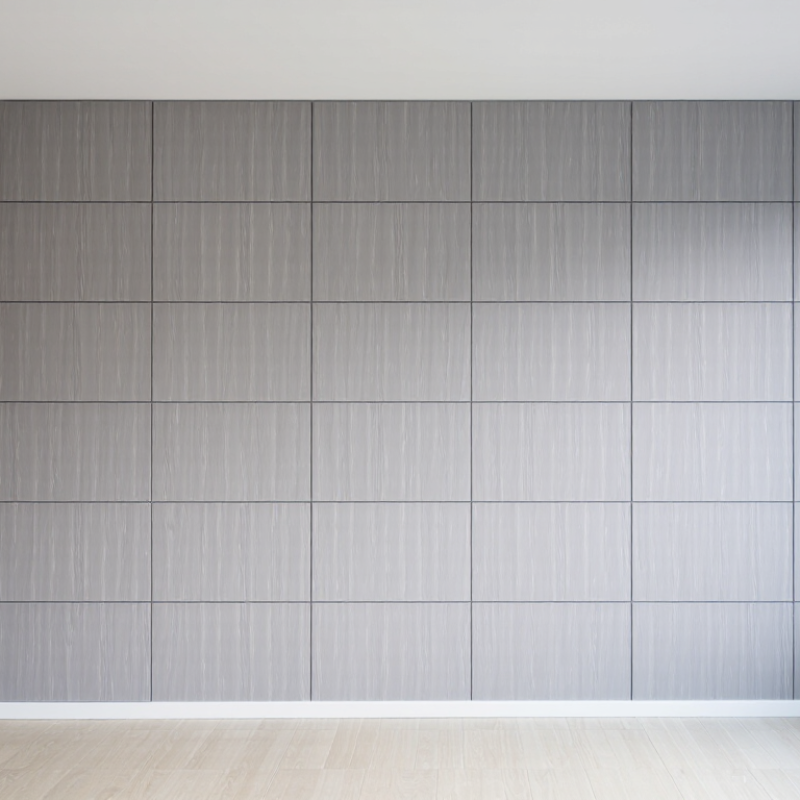
What Is an Interior PVC Wall Panel? It is a lightweight wall covering made from polyvinyl chloride, commonly called PVC. An Interior Pvc Wall Panel may have a smooth, embossed, wood-look, or stone-look surface. Many products use hollow cores, while others contain denser internal layers. These panels are designed to cover interior walls and ceilings with less mess than traditional plaster or tile. They are often selected for bathrooms, kitchens, offices, retail spaces, and utility rooms.

In practical use, installers value their resistance to everyday moisture, stains, and repeated cleaning. A panel can create a continuous surface with fewer visible joints than small ceramic tiles. Some systems use tongue-and-groove edges, adhesive, screws, or compatible trim profiles. The wall behind the panel still matters. It should be clean, reasonably flat, dry, and structurally sound. Uneven masonry can telegraph through the finished surface. That detail is easy to overlook.

Product quality varies widely. Check the technical sheet, dimensions, impact rating, cleaning guidance, and warranty before purchasing. Do not assume every PVC panel is suitable for a shower enclosure or high-temperature area. Fire performance must be verified through recognized test classifications and local building requirements. Ventilation also deserves attention, especially in humid rooms. Experienced contractors usually plan corner trims, electrical openings, and expansion allowances before installation begins. Small planning errors can become obvious later. The material is convenient, but it is not a universal solution. A careful comparison with ceramic tile, paint, laminate, or fiber-cement board can reveal whether PVC truly fits the room, budget, and expected service life.
What Is an Interior PVC Wall Panel?

What Is an Interior PVC Wall Panel? Definition, Structure, and Typical Density

An interior PVC wall panel is a lightweight cladding product made from polyvinyl chloride. It covers walls, ceilings, and service areas with a washable surface. Unlike solid plastic sheets, many panels use a cellular or hollow core. Internal ribs support the face skins and reduce material use. Tongue-and-groove edges can create a cleaner installation.

Density needs careful interpretation. Published technical data and ISO 1183 testing commonly place rigid PVC around 1.35–1.45 g/cm³. This is the compound’s material density, not always the panel’s finished density. Hollow panels may show a much lower apparent density because air occupies part of the section. PlasticsEurope’s Plastics— the Facts 2023 report identifies PVC as a major polymer family in European plastics demand, at roughly one-tenth of total demand. That figure supports PVC’s industrial importance, but it does not prove a panel’s quality.

Tips: Ask for the tested density, thickness, core design, and fire-performance report. ASTM D792 or ISO 1183 results are more useful than a vague “high-density” claim. Check the panel edge, too. A neat surface can hide thin skins or weak ribs. On site, installers often find that density alone cannot predict rigidity, impact resistance, or screw holding. I would treat any single number as incomplete evidence. Temperature, additives, moisture, and manufacturing tolerances can change performance. The specification may look precise, yet still need practical verification.
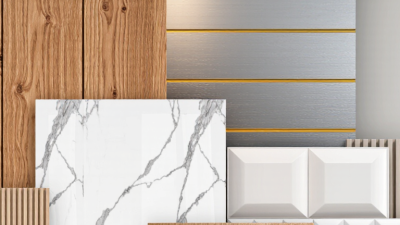
How PVC Wall Panels Are Manufactured: PVC Resin, Additives, and Surface Layers

What Is an Interior PVC Wall Panel?

Interior PVC wall panels begin with PVC resin, a white powder produced from vinyl chloride polymers. According to the 2023 PlasticsEurope market report, PVC remains one of Europe’s major plastics, with demand exceeding 5 million tonnes annually. Manufacturers blend the resin with stabilizers, impact modifiers, lubricants, pigments, and processing aids. Foaming agents may create a lighter core. The recipe controls hardness, flexibility, color, and dimensional stability.

The dry blend enters a heated extruder. Rotating screws melt and mix the material before forcing it through a panel-shaped die. Rollers then calibrate thickness and flatten the surface. Some panels use a hollow structure, while others use a dense solid profile. Density matters. A 2023 Grand View Research report identified construction as a leading application for PVC products, reflecting the material’s balance of cost, moisture resistance, and processability.

Surface layers create the visible finish. A printer can add wood grain, stone patterns, or solid colors. A protective film or UV-resistant coating may follow. Quality teams check thickness, gloss, color variation, peel adhesion, and impact resistance. Results can change with temperature, screw speed, and recycled content. The process sounds controlled, but it is not perfectly uniform. Small defects still appear. Careful inspection remains essential.

Which ASTM E84 Fire Classes Apply to Interior PVC Wall Panels?

What Is an Interior PVC Wall Panel?

Interior PVC wall panels are lightweight, moisture-resistant surfaces used on walls and ceilings. They often appear in bathrooms, utility rooms, healthcare spaces, and commercial interiors. Their smooth finish is easy to clean, but appearance should never replace fire-performance evidence.

Which ASTM E84 Fire Classes Apply to Interior PVC Wall Panels?

ASTM E84 measures surface flame spread and smoke developed under controlled conditions. Class A has a flame spread index of 0–25. Class B ranges from 26–75, while Class C ranges from 76–200. A PVC panel may qualify for any of these classes, depending on its formulation, thickness, backing, joints, and installation method. The panel itself is not automatically Class A.

A test report should identify the exact product assembly. Small changes can matter. For example, installing panels over a different substrate may produce different results. ASTM E84 does not mean a panel is fireproof, and its rating does not replace local code requirements. Project authorities may require Class A or Class B materials for specific occupancies, corridors, or exit routes. Always confirm the current code and the accepted report with the responsible building official.

Tips: Request a complete ASTM E84 report, not only a marketing claim. Check the flame spread index, smoke developed index, mounting method, and test thickness. Keep installation records. A careful review prevents costly assumptions.

Interior PVC Wall Panels and ASTM E84 Fire Classes

ASTM E84 classifies interior finish materials by Flame Spread Index (FSI) and Smoke Developed Index (SDI). The applicable class depends on the tested PVC panel and wall assembly, not on PVC alone.

Class A: FSI 0–25; Class B: FSI 26–75; Class C: FSI 76–200. For these ASTM E84 classifications, the SDI limit is 450 or less. Always verify the product’s current ASTM E84 test report and installation assembly.

What Dimensions, Thicknesses, and Installation Systems Define PVC Panels?

What Is an Interior PVC Wall Panel?

Interior PVC panels are lightweight wall surfaces made from polyvinyl chloride. Their dimensions, thickness, and joint design determine performance. Common panels measure 250–400 mm wide and 2.6–5.95 metres long. Thickness often ranges from 5–10 mm for solid panels. Hollow panels may reach 8–12 mm, with internal ribs for stiffness.

According to Grand View Research’s 2024 PVC market analysis, the global PVC market continues expanding through construction demand. That growth does not make every panel suitable for every room. A thin panel may work over a smooth bedroom wall. It may flex on an uneven masonry surface. Wider panels reduce joints, but they can be harder to handle. Installation usually uses tongue-and-groove edges, adhesive, concealed clips, or timber and metal battens. The substrate matters more than many product sheets admit.

Tips: Check the actual wall first. Measure moisture, flatness, and ventilation. Leave expansion gaps around corners and ceilings. Follow the tested installation method, not only a short fitting video. ASTM E84 guidance can help evaluate surface-burning characteristics, but it does not replace local fire or building requirements. One practical mistake is choosing panels by appearance alone. I have seen attractive thin boards reveal uneven joints after installation. A small sample fixed to the real wall often exposes that problem early.

What Is an Interior PVC Wall Panel? - What Dimensions, Thicknesses, and Installation Systems Define PVC Panels?

Data Dimension Typical Specification or Range What It Means for Interior Use
Panel material Rigid or semi-rigid polyvinyl chloride (PVC) Creates a lightweight, moisture-resistant wall covering for interior areas.
Common panel width Approximately 250–400 mm (9.8–15.7 in) Narrower boards can create a slatted appearance, while wider boards reduce the number of visible joints.
Common panel length Approximately 2.6–3.0 m (8.5–9.8 ft); longer lengths may also be available Longer panels can reduce horizontal seams, but the available room height and handling space should be checked first.
Typical thickness Approximately 5–10 mm (0.20–0.39 in) Thin panels are suitable for decorative renovation; thicker profiles generally provide greater rigidity and impact resistance.
Panel construction Hollow multi-cell, foamed, or solid PVC profile The internal structure affects weight, stiffness, acoustic performance, screw-holding ability, and cutting behavior.
Visible joint system Tongue-and-groove, shiplap, butt joint, or interlocking edge Edge design controls alignment, joint visibility, water-shedding behavior, and installation speed.
Installation on a flat wall Adhesive, compatible construction sealant, or a combination of adhesive and mechanical fasteners The substrate should be clean, dry, sound, and sufficiently flat before direct bonding.
Installation over uneven walls Timber battens, metal furring channels, or another suitable subframe A subframe can help level the surface and create a service cavity, but it reduces the finished room area slightly.
Typical fixing spacing Often about 300–600 mm along supports; follow the panel system instructions Closer support spacing may be needed for thinner panels, high-traffic areas, or walls subject to impact.
Edge and corner finishing Inside corners, outside corners, end caps, joining trims, or flexible sealant Trim conceals cut edges and helps produce a neat transition around corners, openings, and wall ends.
Cutting method Fine-tooth saw, sharp utility knife for suitable thin profiles, or power saw with appropriate blade Cutting should be controlled to prevent chipped edges, excessive heat, or distortion of the panel.
Moisture performance PVC itself is water-resistant; the finished assembly depends on joints, trims, sealants, and the substrate Suitable for many humid interiors, but not every panel system is designed for continuous water exposure or shower areas.
Thermal movement Expansion and contraction can occur with temperature changes Allowing perimeter movement gaps and using suitable trims helps reduce buckling or open joints.
Surface finish Embossed, matte, gloss, printed, wood-look, stone-look, or digitally decorated The finish influences appearance, reflected light, cleaning requirements, and the visibility of minor surface marks.
Cleaning method Soft cloth or sponge with mild detergent and water Avoid abrasive pads, aggressive solvents, and excessive heat unless the specific installation guidance permits them.
Fire and code considerations Performance varies by formulation and construction; check tested fire classification and local building requirements PVC panels should not be selected solely by appearance or thickness when fire, smoke, egress, or public-use requirements apply.

Note: Dimensions and installation practices are representative industry ranges. Always verify the technical data, allowable fixing method, movement gaps, and code requirements for the specific PVC panel system and interior application.

How PVC Wall Panels Compare in Moisture Resistance and Service Life

What Is an Interior PVC Wall Panel?

Interior PVC wall panels resist moisture because their polymer surface does not absorb water like paper-faced gypsum. Published rigid-PVC data tested under ASTM D570 commonly shows water absorption near 0.04–0.4% after 24 hours, depending on formulation. This supports use in bathrooms, laundry rooms, and damp utility areas. However, PVC is not automatically waterproof. Water can enter through open joints, cut edges, or poorly sealed penetrations.

Compared with painted drywall, PVC usually offers stronger resistance to splashes, staining, and repeated cleaning. Compared with ceramic tile, it is lighter and faster to install, but it may scratch more easily. Service life depends on impact, heat, ultraviolet exposure, and installation quality. Environmental product declarations following EN 15804 often use a 25-year reference life for interior PVC building products. That figure is useful, but it is not a promise. Real installations may last longer indoors, while neglected joints can fail much earlier. The weak point is often the sealant, not the panel.

Tips: Check ASTM D570 water-absorption data before purchase. Inspect panel edges, locking joints, and sealant compatibility. Keep strong heat sources away. Clean with mild detergent, not abrasive pads. I would also request installation records, because attractive panels can still fail over a damp substrate.