
Leave Your Message
Global buyers are looking beyond surface appearance when selecting a Pvc Wall Panel Wpc Design. They need stable dimensions, reliable finishes, simple installation, and documented material performance. A panel may look attractive in a showroom. It can still fail in a humid bathroom or poorly ventilated corridor.
Dr. Andrzej K. Bledzki, a respected wood-plastic composites researcher, has emphasized, “Performance begins with material discipline, not decoration.” This principle guides our selection of the top ten designs. Each option deserves attention for its texture, color balance, moisture resistance, and practical maintenance. Some designs imitate oak, stone, or slatted timber with surprising detail. Others use clean matte surfaces for hotels, offices, and retail interiors. Small details matter. Edge alignment matters too.
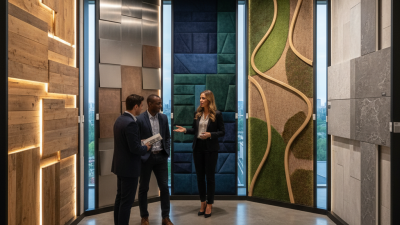
This guide examines Pvc Wall Panel Wpc Design ideas for distributors, contractors, architects, and project buyers across different markets. We consider core composition, panel thickness, locking systems, surface durability, packaging, and installation conditions. We also discuss where each design performs best, from feature walls to moisture-prone spaces. Yet no design is perfect. A deeply embossed panel may collect dust. A dark finish can reveal scratches quickly. A low-cost option may create higher installation risks. Buyers should request samples, technical sheets, and realistic color photographs before ordering. Supplier claims need checking. That step is sometimes skipped. It should not be. Practical experience, technical evidence, and honest comparison create more dependable purchasing decisions.
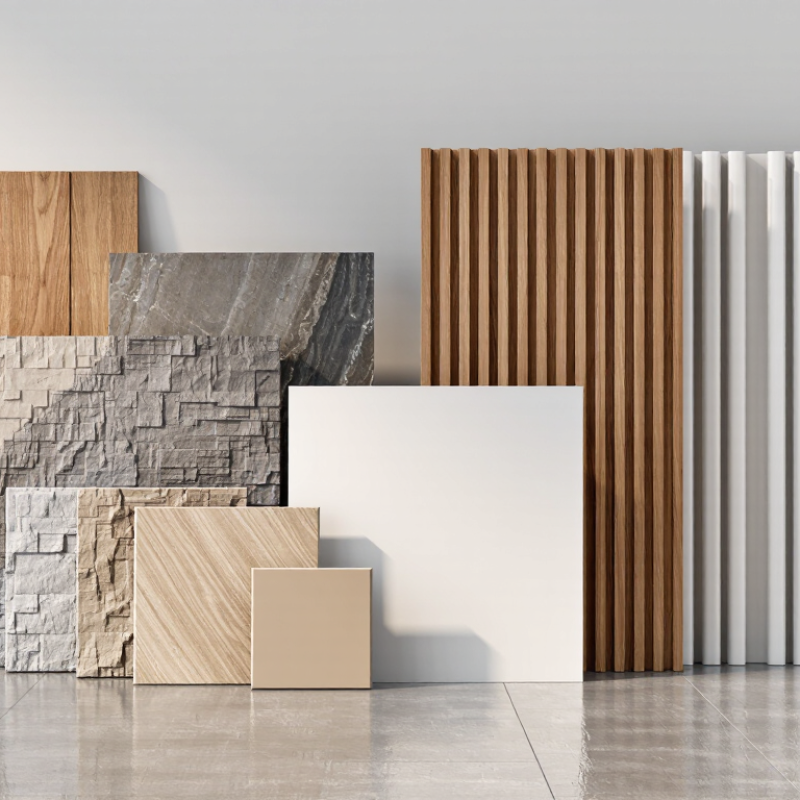
PVC and WPC wall panels are not interchangeable, although both serve modern interior and exterior design needs. PVC panels use polyvinyl chloride, a lightweight plastic with a smooth, consistent surface. WPC panels combine wood fibers with polymer, creating a warmer texture and stronger visual depth. That difference matters.
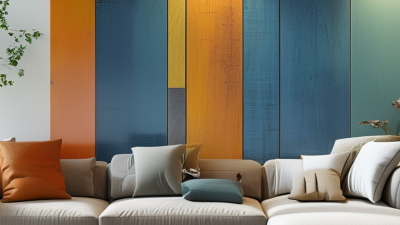
PVC usually resists moisture well and cleans easily with a damp cloth. It suits bathrooms, kitchens, utility rooms, and commercial areas with frequent cleaning. Many PVC designs imitate marble, stone, timber, or simple fluted lines. WPC panels often feel more natural under the eye. Their wood content can produce realistic grain patterns, acoustic texture, and a less “plastic” appearance. They may also feel more rigid, depending on density and construction.
Neither material is perfect. PVC can look artificial under strong lighting, especially with low-quality printing. WPC may cost more and requires careful protection from prolonged water exposure. I have seen installation problems caused by uneven walls, weak adhesives, and missing expansion gaps. Small details matter. Global buyers should check panel thickness, surface coating, edge stability, and installation instructions before comparing prices. Fire performance, emissions, and moisture ratings also vary by product and market. Request current laboratory reports, not only catalog claims. For a humid hotel corridor, washable PVC may be practical. For a reception wall, textured WPC can create a warmer first impression. The better choice depends on location, maintenance expectations, design goals, and verified technical data.
| No. | Design Style | Visual Characteristics | Typical PVC Panel Construction | Typical WPC Panel Construction | Recommended Applications | Moisture & Maintenance | Key Buyer Considerations |
|---|---|---|---|---|---|---|---|
| 1 | Marble Vein Luxury Look |
High-contrast or soft veining that imitates natural marble while using a lighter manufactured panel format. | Usually a rigid or foamed PVC core with a printed decorative film or surface coating. Commonly supplied in smooth, glossy, or satin finishes. | Usually uses a wood-plastic composite core with a decorative film, embossed texture, or coated surface; the appearance is generally warmer and more textured than glossy PVC. | Feature walls, hotel reception areas, bathrooms, retail interiors, dining spaces, and residential living rooms. | Both materials are easy to wipe. PVC is generally well suited to humid interiors; WPC requires sealed edges and joints where regular water exposure is expected. | Check color consistency between batches, film adhesion, scratch resistance, panel flatness, and whether the surface is suitable for wet-room installation. |
| 2 | Natural Wood Grain Warm Interior |
Oak, walnut, ash, teak, or similar visual patterns with linear grain and natural-tone colors. | Often produced with a printed film or laminated finish over a PVC substrate. The surface is consistent and does not require sealing like solid timber. | Wood fibers or wood flour are combined with thermoplastic polymer and additives, then extruded or molded into a wood-like panel with a more substantial appearance. | Bedrooms, offices, restaurants, corridors, reception areas, and residential feature walls. | Both normally need only dusting and a damp cloth. Avoid abrasive cleaners and prolonged standing water; WPC edges should be protected from moisture ingress. | Compare grain repeat, color variation, thermal expansion allowances, UV stability, and the availability of matching trims or corner profiles. |
| 3 | Fluted Vertical Panel Architectural Detail |
Regular vertical grooves create shadow lines, visual height, and a contemporary linear rhythm. | Can be made from hollow or solid PVC profiles. Hollow profiles reduce weight, while solid profiles can provide greater impact resistance. | Commonly manufactured as a dense grooved board or slatted profile. The heavier construction can provide a more solid feel and pronounced groove definition. | Living rooms, hotel walls, office lobbies, retail displays, restaurants, and partial room dividers. | Both are relatively low maintenance. Grooves should be vacuumed or cleaned with a soft brush; avoid excessive heat and direct flame. | Review groove depth, backing structure, panel weight, acoustic claims, cutting tolerances, and the required subframe or adhesive system. |
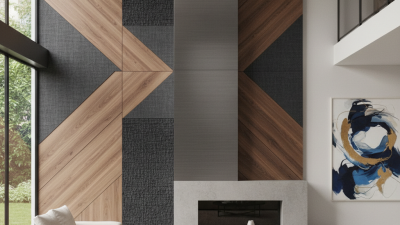
| 4 | Decorative Slat Panel Modern Linear |
Repeated narrow slats with contrasting gaps, often combining dark, natural, or neutral colors for a layered effect. | PVC slats may be hollow or solid and are often installed on a supporting surface or backing board. They are lightweight and easy to cut. | WPC slats generally have a wood-like surface and may be paired with an acoustic backing layer in some interior products; the backing material should be verified separately. | Accent walls, media walls, offices, hospitality spaces, corridors, and ceiling applications where the product is rated for overhead use. | Routine dust removal is important because open gaps collect dust. WPC and any backing layer should not be exposed to uncontrolled outdoor moisture unless specifically rated for it. | Confirm slat spacing, backing type, acoustic test data, fire classification, fixing method, and whether the design can be trimmed without visible edge defects. |
| 5 | Concrete Effect Industrial Style |
Matte gray or warm cement tones with subtle mottling, clouding, or mineral-like texture. | A coated or printed PVC surface provides a lighter alternative to cement boards and can be installed without wet plastering. | WPC versions usually combine a textured decorative layer with a denser composite board, giving a warmer tactile impression than raw concrete. | Offices, cafés, retail interiors, studios, corridors, entertainment venues, and contemporary homes. | Both are generally easy to clean with a neutral detergent. Test cleaning chemicals first because matte coatings can show marks or burnishing. | Check texture depth, light reflection, joint visibility, panel rigidity, impact resistance, and whether the design is intended for dry interior use only. |
| 6 | Stone and Slate Effect Natural Texture |
Layered stone patterns, slate lines, travertine-like movement, or other mineral-inspired surfaces. | Printed or laminated PVC panels imitate stone at a lower weight than natural stone and are often faster to install on prepared walls. | WPC stone-look panels offer a composite substrate with a decorative surface; they should not be treated as structural masonry or natural stone cladding. | Feature walls, fireplace surrounds where non-combustible requirements are met, commercial interiors, entrance areas, and dry bathroom walls. | Moisture resistance depends heavily on the surface, edge treatment, and joint system. Seal penetrations and use compatible sanitary sealants in wet areas. | Verify dimensional stability, corner and edge finishing, impact resistance, cleanability, and compliance with local requirements around heat sources. |
| 7 | Geometric 3D Pattern Statement Wall |
Raised diamonds, waves, hexagons, chevrons, or layered geometric shapes create depth and visual movement. | Lightweight PVC is suitable for decorative reliefs and can be produced with molded or thermoformed details. | WPC can provide a denser profile and more pronounced tactile geometry, although the finished weight may require stronger wall support. | Showrooms, hotel corridors, restaurants, reception desks, entertainment spaces, and residential accent walls. | Dust may collect in recessed areas. Use a soft brush or low-suction vacuum and avoid aggressive scrubbing that could damage raised details. | Assess shadow consistency, panel alignment, installation tolerance, repairability, additional weight, and the need for a level substrate. |
| 8 | Metallic and Reflective Finish Contemporary |
Brushed metal, champagne, silver, copper, or dark metallic effects with reflective highlights. | PVC panels commonly use a decorative film or coated layer over a smooth substrate. The finish can be lightweight but may show scratches or fingerprints. | WPC panels can also receive metallic decorative layers, but the final performance depends on the surface coating and composite formulation. | Retail displays, hotel interiors, bars, elevators’ adjacent wall areas, offices, and modern residential spaces. | Clean with a soft microfiber cloth and mild detergent. Avoid solvents, abrasive pads, and excessive polishing on coated surfaces. | Request abrasion, colorfastness, adhesion, and cleaning-resistance data; inspect samples under the actual project lighting before bulk purchasing. |
| 9 | Plain Matte Minimalist Flexible Base |
Solid neutral colors such as white, beige, gray, or charcoal with a low-sheen surface and minimal pattern repetition. | Foamed or rigid PVC can provide a smooth, lightweight panel suitable for fast decorative upgrades and simple color schemes. | WPC offers a more board-like feel and can be supplied in solid colors or subtle embossed finishes, depending on the manufacturing process. | Offices, schools, corridors, apartments, healthcare interiors, utility areas, and large-scale renovation projects. | Both are simple to wipe and maintain. Light colors may show scuffs, while dark matte finishes can reveal dust and fingerprints more easily. | Compare whiteness or color uniformity, surface hardness, cleanability, dimensional tolerances, panel weight, and availability of matching accessories. |
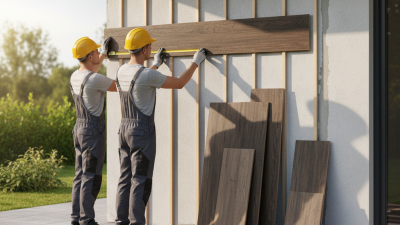
| 10 | Outdoor Wood-Look Cladding Exterior Use |
Long linear boards with wood-inspired colors and textures designed to complement façades, balconies, and sheltered outdoor areas. | Standard interior PVC wall panels are not automatically suitable for exterior use. Exterior-grade PVC must be specifically formulated and tested for weather exposure. | WPC is widely used for wood-look exterior cladding and decking-style applications, but performance depends on resin type, additives, profile design, drainage, and installation details. | Building façades, balcony walls, garden structures, sheltered terraces, and ventilated rainscreen systems when the product is designed for those uses. | Exterior panels require drainage, ventilation, expansion gaps, and periodic inspection. Weathering, fading, thermal movement, and moisture management must be considered. | Request UV and weathering data, fire classification, wind-load guidance, installation manuals, expansion coefficients, and local code documentation before specification. |