
Leave Your Message

Why Choose PVC Wall Panels Over WPC Designs?

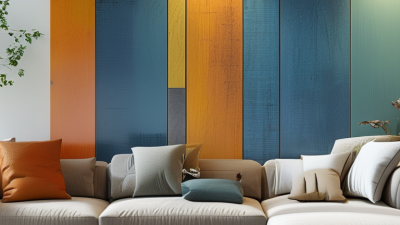
Choosing the right wall finish affects appearance, maintenance, installation time, and long-term comfort. The phrase Pvc Wall Panel Wpc Design often appears in renovation discussions, yet these materials serve different practical needs. PVC wall panels are produced with a moisture-resistant surface and a relatively light structure. That combination suits bathrooms, kitchens, utility rooms, and commercial interiors exposed to frequent cleaning.

PVC can also simplify installation. Experienced installers often cut panels with standard tools, align tongue-and-groove edges, and seal vulnerable joints around sinks or shower areas. The surface feels smooth under a cloth. It does not absorb water like untreated wood-based products. This feature may reduce staining and routine maintenance. However, quality varies greatly between manufacturers. Thickness, surface coating, fire performance, and edge strength deserve careful inspection.

WPC designs can provide a warmer, more textured appearance. They may resemble timber and create visual depth on feature walls. Yet their heavier structure, expansion behavior, and moisture response require accurate planning. A poorly ventilated room can expose weaknesses over time. That assumption can fail.

PVC is not perfect. Strong impact can dent thinner panels, and low-grade finishes may look artificial under bright lighting. Careful buyers should request technical data, sample panels, cleaning guidance, and installation recommendations. Independent testing or recognized certification adds useful confidence. Local building requirements still matter. A reliable comparison must consider room conditions, expected service life, budget, and the installer’s skill. The best choice is not always the most fashionable one. It is the material that remains practical after daily use begins.
Why Choose PVC Wall Panels Over WPC Designs?

What Are PVC Wall Panels and WPC Designs?

Why Choose PVC Wall Panels Over WPC Designs?

What Are PVC Wall Panels and WPC Designs?

PVC wall panels are lightweight interior boards made from polyvinyl chloride. They resist moisture, stains, and routine cleaning. Installers often use them in bathrooms, kitchens, corridors, and commercial interiors. WPC designs combine wood fibers with thermoplastic resin. They usually create a warmer, textured appearance. A 2024 Grand View Research report estimated the global wood plastic composites market at about USD 7.1 billion in 2023. This growth reflects demand for wood-like surfaces, but not every project needs that visual effect.

PVC can be the more practical choice in humid rooms. Its closed surface limits water absorption and simplifies daily maintenance. WPC may feel more natural, yet its wood content requires careful attention to moisture, edges, and ventilation. PVC is not automatically greener. Its production depends on fossil-based raw materials, and recycling systems remain uneven. That point deserves honest consideration. The U.S. Environmental Protection Agency reports that plastics formed about 12.6% of municipal solid waste generation in 2018. Therefore, durability and responsible disposal should guide material selection.

Tips: Check the panel’s fire rating, thickness, surface finish, and installation method. Request test documentation, not only marketing claims. Leave expansion gaps where the manufacturer specifies. I would also inspect a sample under real lighting. Glossy PVC can reveal uneven walls more clearly than expected. Good preparation still matters.
Why Choose PVC Wall Panels Over WPC Designs?

PVC wall panels are rigid polyvinyl chloride sheets used for interior wall protection and decoration. WPC designs combine wood fibers with thermoplastic polymers, creating a wood-like composite. The chart compares typical material-property ranges rather than a specific product.

In typical formulations, PVC has lower 24-hour water absorption and a more consistent density, which can support easier cleaning and more predictable indoor wall-panel performance. Actual results depend on formulation, additives, thickness, surface finish, and test method.

Reference basis: typical rigid-PVC and wood-plastic-composite property ranges reported using methods comparable to ASTM D792 for density and ASTM D570 for water absorption.

How PVC and WPC Wall Panels Differ in Material and Structure

PVC wall panels and WPC panels may look similar, but their internal structures behave differently. PVC is a thermoplastic material, formed mainly from polymer resin and stabilizers. PlasticsEurope technical data places rigid PVC density near 1.4 g/cm³. This creates a relatively uniform, closed structure with low water absorption.

WPC combines wood fibers with plastic and additives. Its wood content can commonly range from 50% to 70%, according to technical reviews from the USDA Forest Products Laboratory. That fiber network adds texture and stiffness, but it also creates more pathways for moisture. The USDA Wood Handbook explains that wood-based materials exchange moisture with surrounding air. Dimensional movement can follow. Not always dramatically.

In bathrooms, kitchens, and humid corridors, PVC often provides more predictable maintenance. Its smooth surface limits dirt buildup and needs only mild detergent. WPC may offer a warmer, wood-like appearance, yet its surface can require better edge sealing. ASTM D7031 recommends evaluating moisture exposure and mechanical performance for wood-plastic composites. On-site inspections often show that installation matters as much as material choice. Poorly spaced joints can distort either panel. PVC is not automatically better, either. Heat can cause expansion, especially beside sunny windows. Leave movement gaps, and verify the manufacturer’s tested temperature range before installation.

Why PVC Panels Offer Practical Installation and Maintenance Benefits

Why Choose PVC Wall Panels Over WPC Designs?

PVC wall panels can make installation noticeably easier, especially in bathrooms, utility rooms, and busy commercial interiors. Their lighter weight reduces handling effort and helps one installer work more comfortably. Panels can be cut with a fine-tooth saw, creating clean openings around sockets, pipes, and corners. A level wall, accurate measurements, and suitable adhesive remain essential. PVC is not a shortcut for poor preparation.

In practical use, PVC panels resist routine moisture better than many porous wall finishes. Their smooth surface leaves fewer places for dust, soap residue, and splashes to settle. A damp cloth and mild cleaner usually handle daily marks. Avoid abrasive pads, harsh solvents, and excessive heat. I have seen attractive installations fail because the joints were rushed. Water can still reach the substrate through gaps.

WPC designs can provide a different texture and a more solid appearance, but they may feel heavier during fitting. PVC often suits projects where speed, cleanability, and controlled costs matter. It also creates less mess than plaster-based repairs. However, panels can show scratches or uneven expansion when installed against damp, unstable walls. Leave the movement gaps required by the installation guidance. Check the substrate twice. That small step is easy to skip, and it can prevent visible bowing later.

Why Choose PVC Wall Panels Over WPC Designs? - Why PVC Panels Offer Practical Installation and Maintenance Benefits

A practical comparison of common PVC and WPC wall-panel characteristics. Actual performance depends on product specification, installation method, and site conditions.

Comparison Dimension PVC Wall Panels WPC Wall Panels Practical Advantage of PVC
Typical Composition Extruded polyvinyl chloride with stabilizers, pigments, and surface finishes. A composite of wood fibers or flour combined with thermoplastic polymers and additives. PVC has a more uniform, non-fibrous structure, which supports consistent moisture resistance.
Approximate Panel Weight Common hollow or cellular panels are often approximately 2–6 kg/m², depending on thickness and profile. Many solid or semi-solid WPC panels commonly weigh approximately 8–18 kg/m², depending on composition and thickness. The lower weight of many PVC profiles can make handling, cutting, and positioning easier during installation.
Installation Method Can often be installed with construction adhesive, screws, clips, or a simple batten system. Interlocking profiles are also widely available. Usually installed with clips, screws, battens, or a subframe; heavier boards may require more secure support. PVC generally offers simpler handling and fewer structural demands for lightweight interior applications.
Cutting and Drilling Can usually be cut with common fine-tooth saws or suitable power tools. Edges are relatively easy to trim and finish. Can be cut and drilled with standard woodworking tools, but dense boards may create more resistance and dust. PVC is often quicker to shape on site, especially for outlets, corners, and service openings.
Moisture Resistance Non-porous and resistant to water absorption under normal interior-use conditions. More moisture-resistant than untreated wood, but water can still affect exposed fibers, cut edges, joints, or poorly sealed areas. PVC is well suited to bathrooms, utility rooms, kitchens, and other humid spaces when correctly installed.
Routine Cleaning Usually requires only a soft cloth, water, and a mild non-abrasive detergent. Can also be cleaned with mild detergent, although textured surfaces and wood-fiber content may retain more dust. Smooth PVC surfaces are typically faster to wipe clean and less likely to absorb spills.
Painting and Refinishing Many finished PVC panels are designed to be used without painting. Painting requires a compatible primer and coating system. Some WPC products can be painted or refinished, but preparation and coating compatibility are still important. PVC can reduce finishing work when a pre-finished decorative surface is selected.
Dimensional Stability Expands and contracts with temperature changes; installation should allow suitable perimeter and joint movement. Also expands and contracts with temperature and humidity changes; the wood content may influence movement and moisture response. Neither material is movement-free, but PVC installation details are generally straightforward for indoor applications.
Resistance to Rot and Insects Does not rot and is not a food source for common wood-boring insects. Resists rot and insects better than natural wood, but performance varies with wood content, formulation, and exposure. PVC provides predictable protection against biological deterioration in damp interior environments.
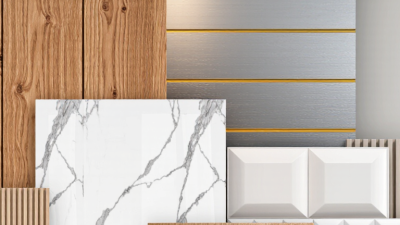
Surface and Design Options Available in plain colors, wood-look finishes, stone-look patterns, gloss, matte, and textured surfaces. Often selected for wood-like textures and a more solid, natural appearance. PVC offers broad decorative flexibility, while WPC may provide a more wood-like tactile effect.
Repair and Replacement Individual lightweight panels or sections can often be removed and replaced without disturbing a large wall area. Replacement may require removing clips, trims, or adjacent heavier boards, depending on the system. PVC can simplify localized repairs and reduce downtime during maintenance.
Indoor Air and Safety Considerations Performance depends on formulation, additives, and applicable emissions and fire classifications. Product documentation should be checked. Performance depends on polymer type, wood content, additives, and applicable emissions and fire classifications. Material choice should be based on verified technical data, especially for occupied commercial and residential spaces.
Best-Fit Applications Bathrooms, kitchens, utility rooms, rental renovations, retail interiors, offices, and fast refurbishment projects. Feature walls, decorative interiors, hospitality spaces, and projects prioritizing a heavier wood-like appearance. PVC is often the more practical option where quick installation, easy cleaning, and moisture resistance are priorities.

Note: Weight ranges and performance descriptions are general industry ranges rather than guarantees. Always verify the selected panel’s technical datasheet, fire rating, installation instructions, and recommended cleaning products before purchase or installation.

Comparing Durability, Moisture Resistance, and Design Flexibility

Why Choose PVC Wall Panels Over WPC Designs?

PVC wall panels often perform better in humid rooms because they absorb very little water. Data commonly reported under ASTM D570 testing places rigid PVC water absorption near 0.04% after 24 hours. WPC products can absorb roughly 0.5% to 5%, depending on wood content, bonding, and edge protection. The USDA Forest Products Laboratory’s Wood Handbook, FPL-GTR-282, also explains that wood-based materials respond to changing moisture levels. That response can cause swelling, warping, or surface movement. Small changes matter around shower corners.

PVC is also resistant to rot, insects, and repeated cleaning. It can be embossed, printed, or produced with stone, fabric, or timber-like textures. That supports more flexible interior schemes. WPC offers a warmer, woodier appearance and useful stiffness, but exposed cut edges need careful sealing. PVC is not flawless. Poor-quality panels may scratch, fade under strong ultraviolet light, or feel less natural. I have seen attractive samples fail when installers ignored expansion gaps.

Tips: Check ASTM D570 water-absorption results, panel thickness, UV testing, and fire-performance documents before purchasing. Seal every cut edge in wet areas. Use compatible adhesives and leave movement space. Design flexibility means little if installation is careless.

How to Choose PVC or WPC Panels for Different Interior Spaces

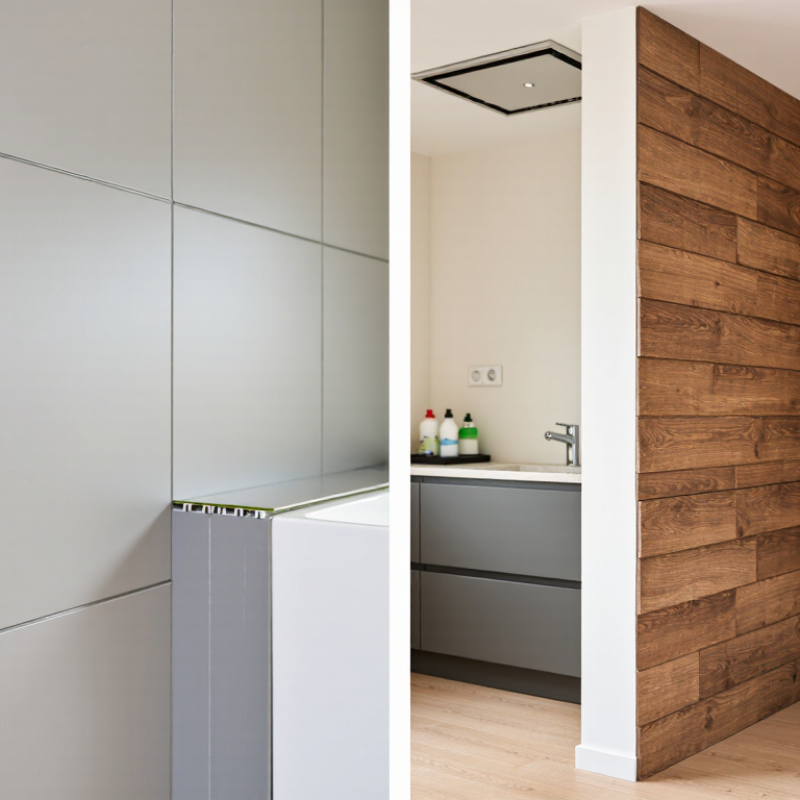
Choosing PVC wall panels over WPC designs depends on the room, moisture level, heat exposure, and desired atmosphere. During renovation inspections, I compare these conditions before recommending materials. PVC panels suit bathrooms, laundry areas, and utility rooms because their surfaces resist water and clean easily. They also offer practical installation around uneven walls. WPC panels usually create a warmer, more textured appearance, making them suitable for bedrooms, living rooms, offices, and reception areas. Both can look convincing. Details matter more.

For a bathroom, choose PVC with sealed joints and adequate ventilation. A panel alone cannot prevent moisture problems behind the wall. In a bedroom, WPC may feel less clinical and provide a wood-like visual effect. However, its moisture resistance varies by core composition and production quality. Near kitchen cookers, keep either material away from direct heat. PVC may soften or expand, while WPC can also react to temperature changes. Not every room needs the same answer.

Before ordering, request test data for water resistance, fire performance, and surface durability. Check the actual sample under daylight. Printed colors can mislead. I once selected a pale panel that looked calm online but appeared cold beside warm flooring. That mistake changed my process. I now compare panels with doors, lighting, and hardware together. Allow movement gaps during installation, especially for PVC. A neat finish may still fail if expansion is ignored. Cost matters, but replacement work costs more.